In short
- Cooked skinless chicken breast has about 31 g of protein per 100 g, according to USDA FoodData Central.
- One large egg provides about 6 g of protein, and cooked kidney beans about 9 g per 100 g.
- EFSA sets the adult population reference intake for protein at 0.83 g per kg of body weight per day.
- The ISSN recommends 1.4–2.0 g of protein per kg per day for people who train regularly.
- People with kidney disease should speak to a doctor before increasing protein intake.
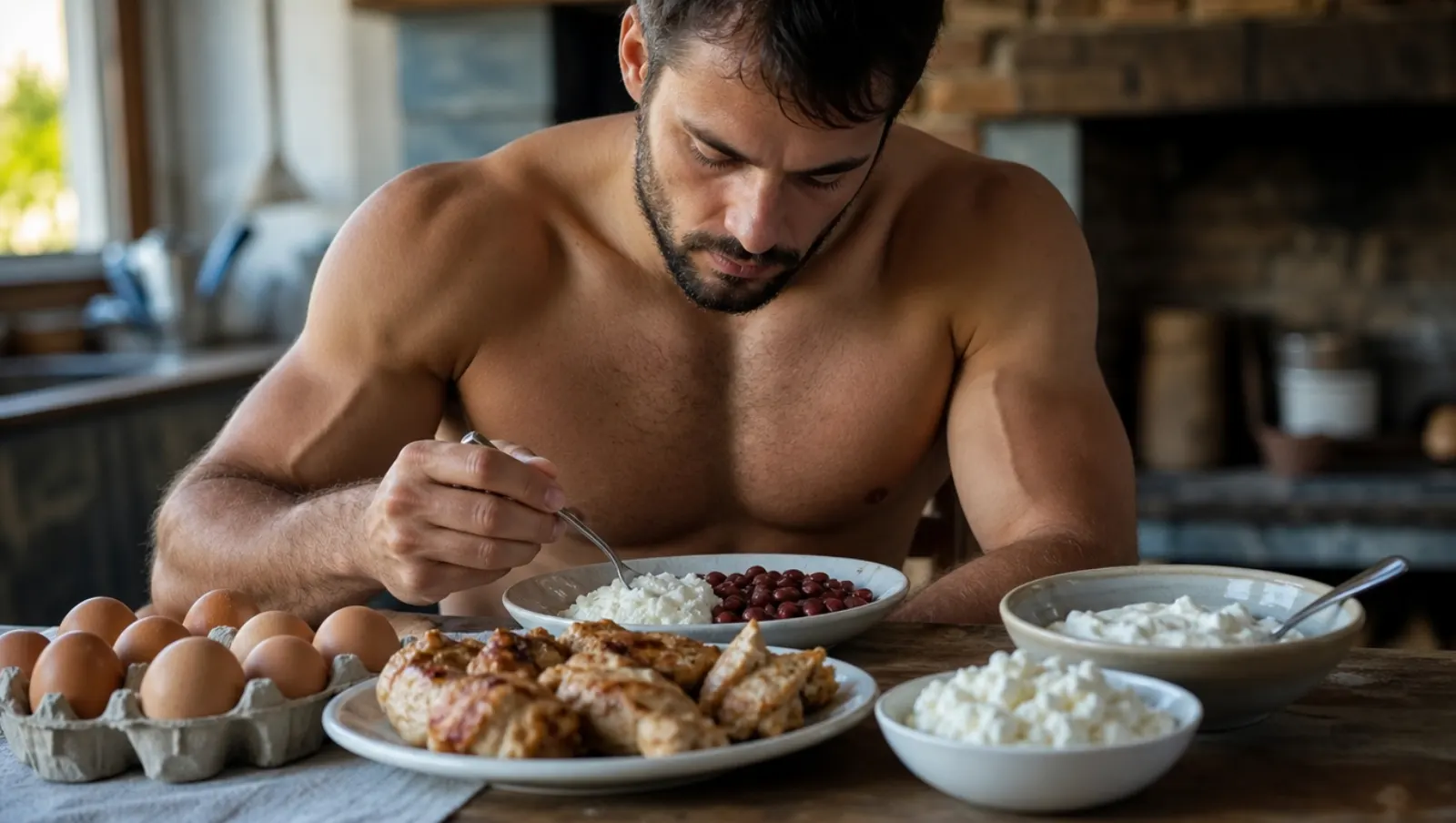
The foods highest in protein are chicken and turkey breast, lean red meat, fish, eggs, Greek yogurt, cottage cheese, beans and lentils, nuts and seeds. Below is the full list with approximate grams of protein per 100 g, how much you need each day and how to build it into normal meals.
All values are approximate and rounded from the USDA FoodData Central database. They vary by brand, cut and cooking method, so check the label where there is one.
How much protein do you need?
- Adults in general: the European Food Safety Authority (EFSA) sets the population reference intake at 0.83 g of protein per kg of body weight per day.
- People who train regularly: the International Society of Sports Nutrition (ISSN) recommends 1.4–2.0 g per kg per day.
For a 70 kg person, that works out at about 58 g a day by the EFSA figure, or roughly 98–140 g if you lift at the gym. For a personal estimate, use the daily protein calculator.
Meat and fish
| Food (100 g) | Protein (approx.) |
|---|---|
| Chicken breast, cooked, skinless | 31 g |
| Turkey breast, roasted | 29 g |
| Lean ground beef, cooked | 26 g |
| Tuna, canned in water, drained | 25 g |
| Sardines, canned, drained | 25 g |
| Salmon, cooked | 22–25 g |
Meat and fish provide complete protein with all nine essential amino acids. Oily fish adds omega-3 fats too; see our guide to omega-3. The WHO advises limiting processed meats such as salami and ham, so lean fresh meat and fish are the better everyday choice.
Eggs and dairy
| Food | Protein (approx.) |
|---|---|
| Egg (1 large, about 50 g) | 6 g |
| Egg, per 100 g | 13 g |
| White cheese (feta type), 100 g | 14 g |
| Cottage cheese, 100 g | 11 g |
| Greek yogurt, non-fat, 100 g | 10 g |
| Plain yogurt, 100 g | 3.5 g |
| Milk, 100 ml | 3.3 g |
In Kosovo, dairy is the easiest win: yogurt, fresh cheese and white cheese are in every shop and need no cooking. Greek yogurt has roughly three times the protein of regular yogurt because it is strained.
Beans and plant foods
| Food (100 g) | Protein (approx.) |
|---|---|
| Pumpkin seeds, hulled | 30 g |
| Peanuts | 26 g |
| Almonds | 21 g |
| Oats, dry | 13–17 g |
| Tofu (depending on type) | 8–17 g |
| Lentils, cooked | 9 g |
| Kidney beans, cooked | 9 g |
| Chickpeas, cooked | 9 g |
Beans (pasul) are a staple of Kosovar cooking and one of the cheapest sources of protein, fibre and iron. Pair them with grains across the day, such as beans with wholegrain bread or rice, and you get a complete amino acid profile. Nuts and seeds are protein-dense but also calorie-dense, so a handful a day is plenty for most people.
Building healthy high-protein meals
Put a protein source in every meal and aim for about 20–40 g per meal, as the ISSN suggests.
- Breakfast: three eggs with wholegrain bread and vegetables, or Greek yogurt with oats and fruit.
- Lunch: chicken with rice and salad, or beans with salad and some white cheese.
- Dinner: fish with potatoes and vegetables, or an omelette with cottage cheese.
- Snack: yogurt, a handful of almonds or pumpkin seeds.
Healthy eating does not need to be expensive. Eggs, beans, lentils, yogurt and oats are some of the best-value protein sources there are. If you are trying to lose weight, protein helps because it keeps you full; pair it with a sensible calorie target from the calorie calculator.
What about supplements?
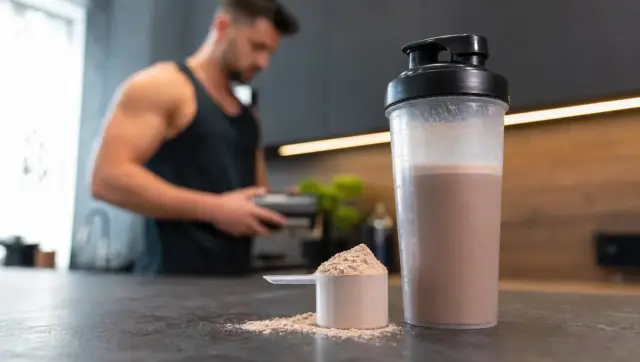
Most people can meet their protein needs with food alone. Protein powder is convenient when you are short on time, not essential. If you are considering it, read our guide to whey protein, and before buying amino acid drinks, see why BCAAs are rarely worth it if you already eat enough protein.
When to talk to a doctor
Protein intakes in the ranges above are safe for most healthy adults. Speak to a doctor or dietitian before raising your intake significantly if you have kidney disease, diabetes or liver disease, are pregnant or breastfeeding, or have food allergies or intolerances to milk, eggs or nuts.
Protein needs training
Protein is the raw material, but strength training is the signal that tells your body to build muscle. A JetoFit membership lets you train at gyms such as KoSport or SevenGym in Pristina and mix strength work with pilates or, from the Standard plan up, swimming on the same subscription.
Frequently asked questions
Which food has the most protein?
Among everyday foods, chicken breast (about 31 g per 100 g cooked) and pumpkin seeds (about 30 g per 100 g) are among the richest, according to USDA FoodData Central.
How much protein is in one egg?
A large egg of about 50 g contains roughly 6 g of protein, according to USDA FoodData Central.
Can I get enough protein without meat?
Yes. Eggs, dairy, beans, lentils, tofu, nuts and seeds can cover your needs, especially when combined across the day.
How much protein do I need if I work out?
The ISSN recommends 1.4–2.0 g of protein per kg of body weight per day for people who train regularly.