In short
- Omega-3s are essential fats; the three main types are ALA from plants and EPA and DHA from fish and algae.
- EFSA sets an adequate intake of 250 mg of EPA plus DHA per day for adults.
- The WHO and NHS recommend eating fish regularly, about 1–2 portions a week, with at least one oily fish.
- People on blood thinners, pregnant women and anyone with a fish allergy should consult a doctor before taking omega-3 supplements.
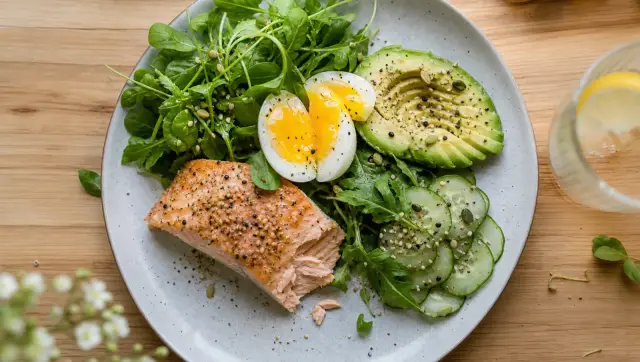
Omega-3s are healthy fats your body cannot make in sufficient amounts, so they have to come from food. The European Food Safety Authority (EFSA) recommends 250 mg of EPA and DHA per day for adults, which most people can reach by eating oily fish about twice a week.
Fish oil capsules are among the best-selling supplements anywhere. Before buying a tub, it helps to know what omega-3s are and when supplements actually make sense.
The three types
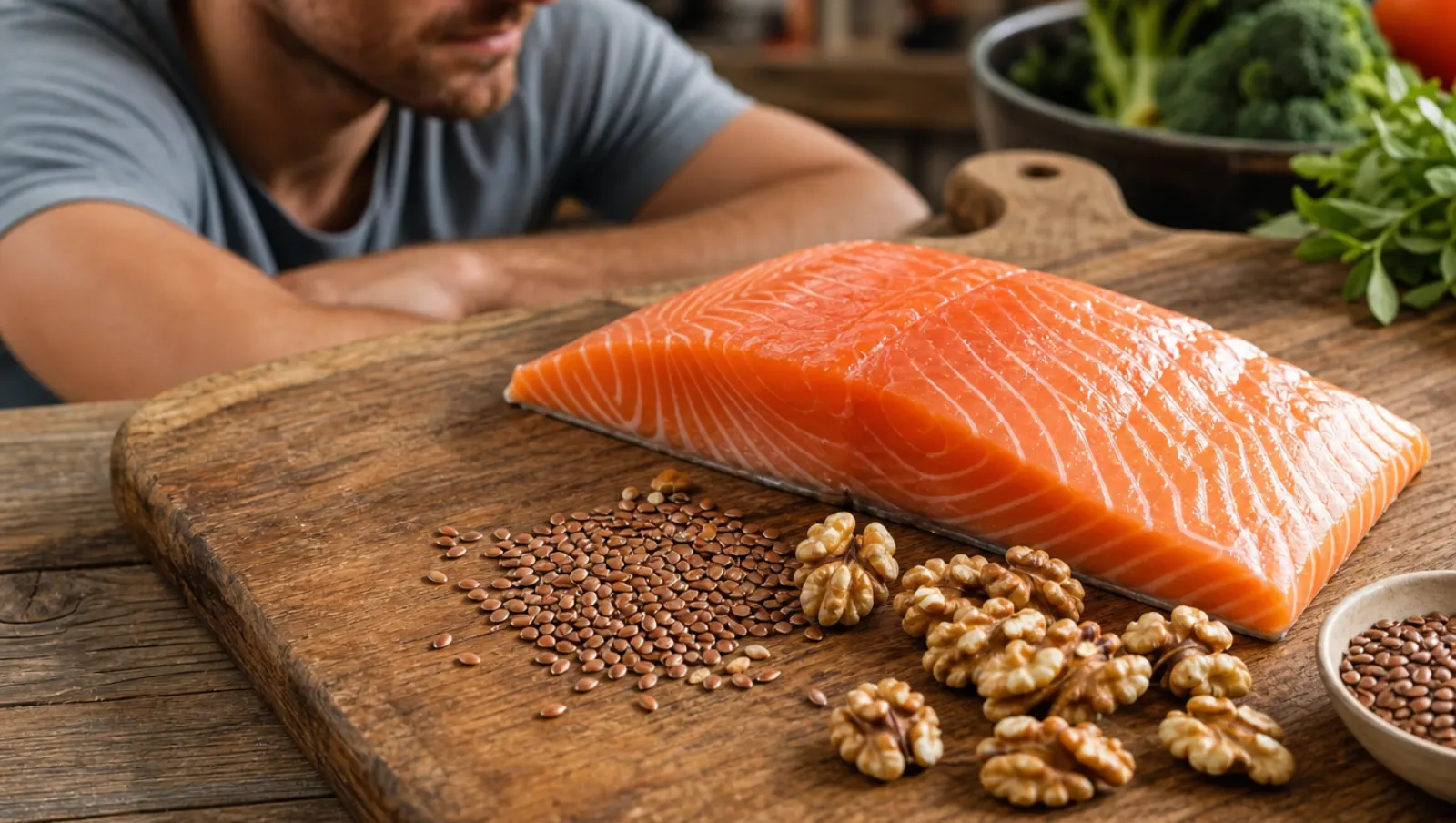
- ALA (alpha-linolenic acid): found in flaxseed, walnuts, chia seeds and rapeseed oil. It is essential, so it must come from the diet.
- EPA (eicosapentaenoic acid): found mainly in oily fish and algae.
- DHA (docosahexaenoic acid): found in oily fish and algae, and a key building block of the brain and the retina.
Your body converts some ALA into EPA and DHA, but only in small amounts. Plant sources do not fully replace fish or algae.
What omega-3s do
EFSA assesses every health claim before it can appear on food labels in the EU. Approved claims for omega-3 include:
- EPA and DHA contribute to the normal function of the heart, with an intake of 250 mg a day.
- DHA contributes to the maintenance of normal brain function and normal vision, with 250 mg of DHA a day.
- Maternal DHA intake contributes to normal brain and eye development of the foetus and breastfed infant.
What the evidence does not show: supplements have not proved a reliable shield against heart disease in healthy people. Large trials have produced mixed results. Eating fish as part of a balanced diet remains the most consistent advice.
For athletes, there is interest in omega-3s for recovery and muscle soreness, but the evidence is still limited. Capsules do not replace sleep, decent food and well-planned training.
Food sources
| Food | Main type | Note |
|---|---|---|
| Salmon | EPA and DHA | Easy to find fresh or frozen |
| Mackerel | EPA and DHA | Tinned works too |
| Sardines | EPA and DHA | Tinned sardines are cheap and practical |
| Herring | EPA and DHA | Often smoked or pickled |
| Trout | EPA and DHA | Freshwater fish |
| Walnuts | ALA | A handful as a snack |
| Ground flaxseed | ALA | Whole seeds often pass undigested |
| Chia seeds | ALA | Stir into yoghurt or oats |
| Rapeseed oil | ALA | For cooking and dressings |
The World Health Organization recommends regular fish consumption of about 1–2 servings a week. The NHS gives similar advice: at least two portions of fish a week, one of them oily.
How much you need
According to EFSA:
- Adults: 250 mg of EPA plus DHA per day (adequate intake).
- ALA: 0.5% of daily energy intake.
- Pregnant and breastfeeding women: an extra 100–200 mg of DHA per day on top of the 250 mg.
- Safety: EFSA concluded that long-term supplemental intakes of up to about 5 g of EPA plus DHA per day do not raise safety concerns for adults.
That upper figure is a safety ceiling, not a target. If you do not eat fish, a supplement providing around 250–500 mg of EPA plus DHA a day is in line with recommendations. Read labels carefully: "1,000 mg fish oil" does not mean 1,000 mg of omega-3. Look for the milligrams of EPA and DHA per capsule.
Higher doses, for example for raised triglycerides, should only be taken on a doctor's advice and under their supervision.
Choosing a supplement
- Fish oil is the most common source of EPA and DHA.
- Algae oil is the vegetarian and vegan option, especially for DHA.
- Fish liver oil also contains vitamin A, and the NHS advises pregnant women not to take it.
- Store capsules somewhere cool and dark, and bin them if they smell strongly rancid.
- Side effects are usually mild: fishy burps or an upset stomach. Taking them with food helps.
There is no single "best" brand. Look for products that state the EPA and DHA content clearly and are tested by independent labs for contaminants.
Who should check with a doctor first
Speak to your doctor or pharmacist before starting omega-3 supplements if you take anticoagulants or antiplatelet medicines (high doses can affect bleeding), have surgery coming up, are pregnant or breastfeeding, have a fish or shellfish allergy, or have a heart or liver condition or take other regular medication.
During pregnancy the NHS advises no more than two portions of oily fish a week and avoiding shark, swordfish and marlin because of mercury.
Omega-3 and an active life
Healthy fats belong in an active person's diet, but they are calorie-dense. If you are watching your weight, the calorie calculator helps you see the bigger picture.
Omega-3 works best as part of the whole package: varied food, sleep and regular movement. A JetoFit membership lets you mix swimming at Zenit Aquatics Center with yoga at Bliss Yoga Studio or gym sessions on one subscription (swimming is included from the Standard plan up).
Weighing up other supplements? Read our guides to vitamin D and exercise and magnesium. Most people gain more from changing what is on their plate than from adding another capsule.
Frequently asked questions
How much omega-3 should I take per day?
EFSA recommends 250 mg of EPA and DHA combined per day for adults, with an extra 100–200 mg of DHA during pregnancy and breastfeeding.
Are walnuts and flaxseed enough for omega-3?
They provide ALA, but the body converts only a small amount into EPA and DHA. If you don't eat fish, algae oil is a plant-based source of DHA.
When is the best time to take omega-3?
Timing matters little. Take it with a meal that contains some fat for better absorption and fewer stomach complaints.
Who shouldn't take omega-3 without medical advice?
People on blood thinners, anyone with planned surgery, pregnant women and people with a fish allergy should talk to a doctor first.