In short
- Intermittent fasting changes when you eat, not what you eat, by limiting food to a set time window.
- Most research finds weight loss with intermittent fasting is similar to an ordinary reduced-calorie diet.
- The most popular method is 16:8: sixteen hours without food and an eight-hour eating window.
- Pregnant women, people with diabetes on insulin and anyone with a history of eating disorders should speak to a doctor first.
Intermittent fasting is a way of eating where you alternate between periods without food and periods when you eat normally. It works for many people because it makes eating less easier, not because it switches on some special fat-burning mode.
Below we cover the main methods, what the evidence actually says, how to combine fasting with training, and when it is a bad idea.
How intermittent fasting works
After a meal, your body runs mainly on glucose from that food. Several hours later, liver glycogen drops and the body leans more on stored fat for fuel. That part is real.
What decides your weight over weeks, though, is total energy balance. If you squeeze a full day of eating into eight hours, nothing changes. The practical benefit of fasting is structure: fewer meals, fewer impulse snacks and no late-night grazing.
Common methods
| Method | How it works | Good fit for |
|---|---|---|
| 16:8 | 16 hours fasting, 8-hour eating window (e.g. 12:00–20:00) | Beginners, people who are not hungry in the morning |
| 14:10 | 14 hours fasting, 10-hour window | A gentler first step |
| 5:2 | Normal eating five days, two non-consecutive very low-calorie days | People who prefer weekly rules |
| 24-hour fast | Once or twice a week, dinner to dinner | Experienced, healthy adults only |
Sleep counts toward your fasting hours, so 16:8 usually just means pushing breakfast back and not eating after dinner.
What the research shows
- Results are similar to classic dieting. Reviews comparing intermittent fasting with daily calorie restriction find comparable weight loss. The International Society of Sports Nutrition (ISSN), in its position stand on diets and body composition, treats it as a valid option rather than a superior one.
- Adherence is everything. The people who see results are the ones who find it easy to stick to. If fasting makes you overeat later, it is not working for you.
- Food quality still matters. An eight-hour window of pastries and fast food will not do what a window of real meals does.
To get a rough idea of your daily needs, try the calorie calculator and build your eating window around that number.
What you can drink while fasting
Classic intermittent fasting allows zero-calorie drinks during the fasting hours: water (still or sparkling), unsweetened tea and black coffee. Hydration matters even more if you train, and the daily water calculator gives you a sensible target.
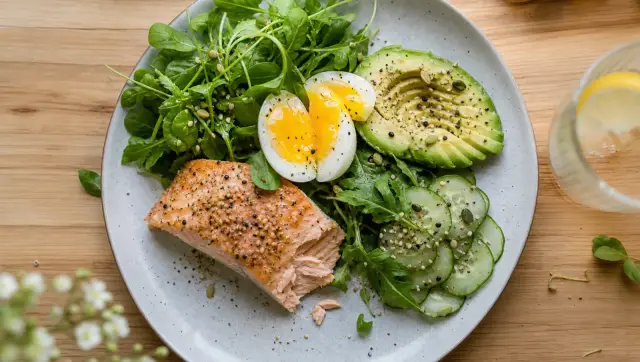
What to eat in your window
Build each meal around four things:
- Protein at every meal: eggs, chicken, fish, yogurt, cheese, beans or lentils. The ISSN recommends 1.4–2.0 g of protein per kg of body weight per day for people who exercise. Our list of high-protein foods and the daily protein calculator make this easy.
- Vegetables and fruit. The WHO recommends at least 400 g a day.
- Complex carbohydrates such as oats, rice, potatoes or wholegrain bread, especially on training days.
- Healthy fats from olive oil, nuts and oily fish.
Break your fast with a normal meal, not a feast. Most people feel better that way.
Training while fasting
You can train on an intermittent fasting schedule if you plan it.
- Strength training at the gym or in a CrossFit class usually goes best inside your eating window, or shortly before your first meal so you can eat protein afterwards.
- Easy cardio like brisk walking, light swimming or relaxed cycling is fine for most people before the first meal.
- Hard sessions such as intervals can feel much tougher on an empty stomach. If you feel faint or dizzy, stop and eat.
New to lifting? Get the training habit in place first, then experiment with meal timing. Our guide to your first gym program is a good starting point.
A note on Ramadan
Many people in Kosovo fast during Ramadan. That is a religious fast and differs from intermittent fasting because no water is taken during daylight hours, so evening and night-time hydration becomes the priority. Many people switch to lighter sessions, or train shortly before iftar or after eating.
Who should check with a doctor first
Intermittent fasting is not for everyone. Talk to your doctor before starting if you:
- are pregnant or breastfeeding
- are under 18
- have a history of eating disorders
- have diabetes, especially if you take insulin or other glucose-lowering medication
- have low blood pressure, kidney disease or heart disease
- take medication that must be taken with food
- are underweight
Even if you are healthy, watch for dizziness, persistent headaches, poor sleep or constant thoughts about food. Those are signs to adjust or stop.
Getting started in four steps
- Start with a 12-hour overnight fast, for example 20:00 to 08:00.
- After a week, move gradually toward 14:10.
- If you feel good, try 16:8 for a few weeks.
- Review honestly: are you eating better, sleeping well and training with energy?
If you are weighing up other approaches, read our take on keto and 7-day diets to see why some methods last and others do not.
Movement is the other half
Food and activity work together. The WHO recommends 150–300 minutes of moderate activity per week for adults, plus muscle-strengthening work on at least two days. A JetoFit membership lets you mix gym sessions, pilates, boxing and (from the Standard plan) swimming on one subscription, at places like My Gym in Fushë Kosova or Togo Fit in Ferizaj, and fit training around your eating window.
Frequently asked questions
Can I drink coffee while intermittent fasting?
Yes. Black coffee without sugar or milk has almost no calories and is usually allowed during fasting hours. Adding sugar or milk breaks the fast under the classic rules.
How much weight can I lose with 16:8?
It depends on your total calorie intake, not the schedule itself. Studies show weight loss similar to an ordinary reduced-calorie diet.
Will I lose muscle if I fast?
The risk is lower if you eat enough protein and do strength training. The ISSN recommends 1.4–2.0 g of protein per kg per day for active people.
Is intermittent fasting safe for people with diabetes?
People with diabetes, especially those on insulin or glucose-lowering drugs, should speak to their doctor first because fasting raises the risk of low blood sugar.