In short
- A good summer camp starts with safety: staff experienced with children, first aid, clear supervision and a lifeguard whenever there is swimming.
- WHO recommends an average of at least 60 minutes of moderate-to-vigorous activity a day for children aged 5 to 17, and a summer camp makes that easy.
- On hot days, strenuous activities belong in the morning or late afternoon, with regular water and shade breaks.
- Ask for the daily schedule, pick-up rules and cancellation terms in writing before you pay.
- If no camp fits, you can build your own active week from swimming, kids' fitness and nature days.
When choosing a summer sports camp for kids, look at safety first: staff experienced with children, first-aid training, clear supervision and a lifeguard whenever there is swimming. Then check that the programme suits your child's age, that there is a plan for the heat, and that your child will actually have fun.
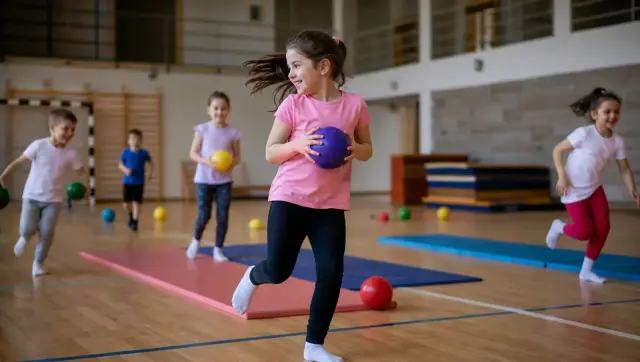
Summer camps are a great way to keep children moving through the long school holidays, make new friends and try sports they have never played. The World Health Organization (WHO) recommends that children aged 5 to 17 get an average of at least 60 minutes of moderate-to-vigorous activity a day. Without the school routine, summer often turns into long hours on screens. A good camp changes that.
Types of summer camp
- Day camp. Drop-off in the morning, pick-up in the afternoon. Best for younger children and first-timers.
- Overnight camp. Several nights away from home. Better for older children who are emotionally ready.
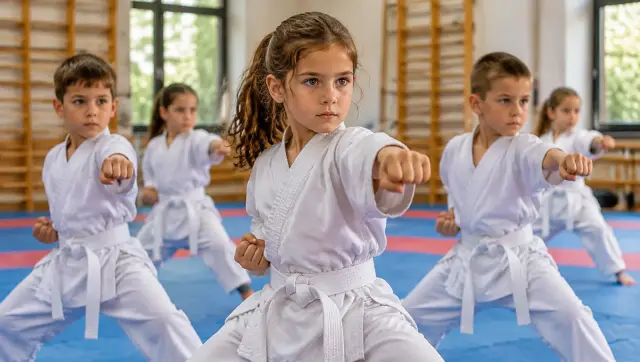
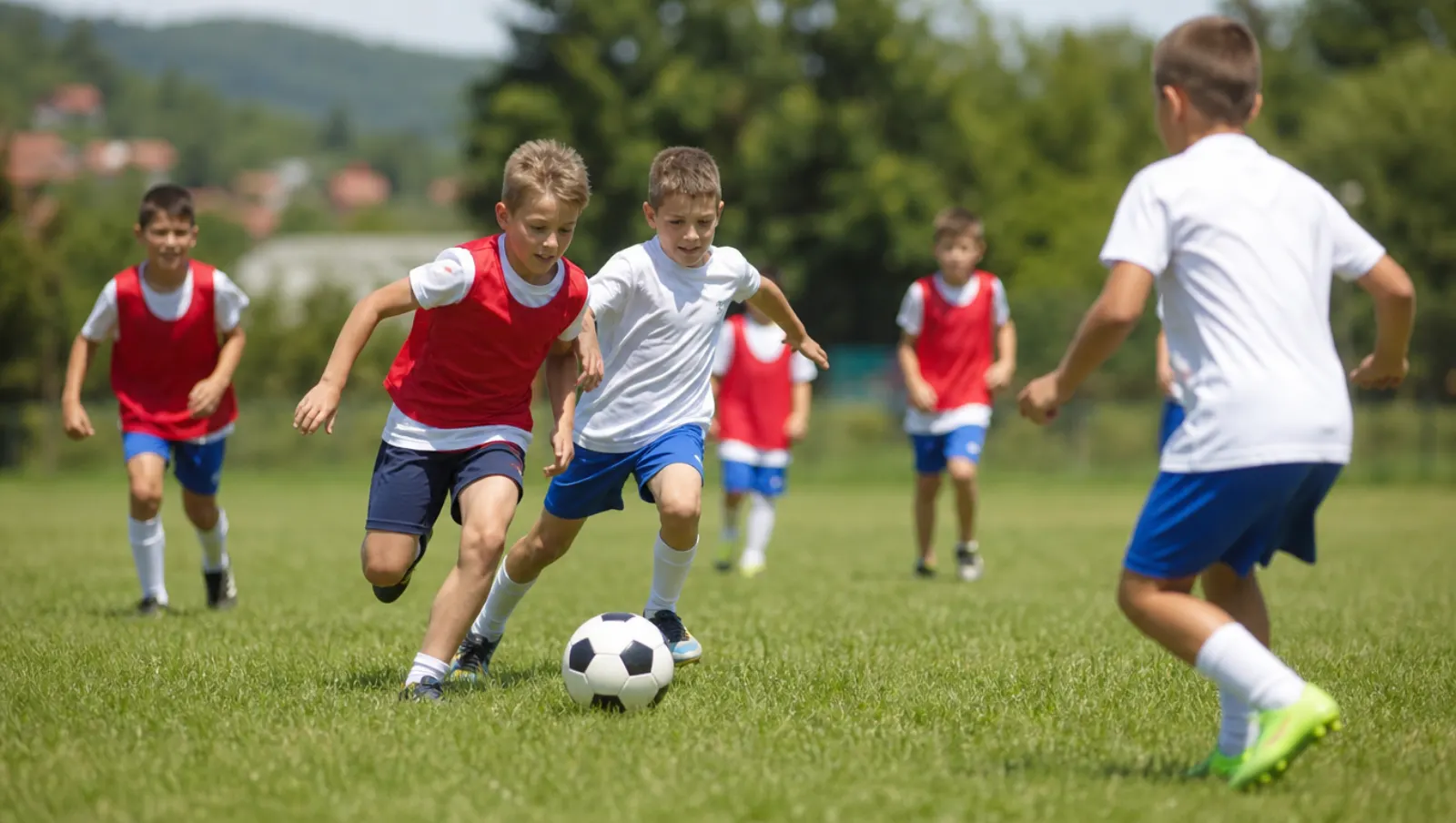
- Multi-sport camp. Swimming, football, ball games, sometimes martial arts or dance. Ideal for children still working out what they like.
- Single-sport camp. For children already committed to a sport who want to improve.
- Nature camp. Hikes, woodland games, animals and outdoor activities. A good antidote to city life.
Summer sports camp checklist for kids
Staff and safety
- Who are the coaches, and what experience do they have with this age group?
- Are staff trained in first aid, and is there a kit at every activity?
- How many children does each adult supervise? Ask for the actual number for your child's age group.
- How does the camp vet staff before hiring them?
- What happens if a child is hurt or unwell? Who calls you, and how quickly?
Water and swimming
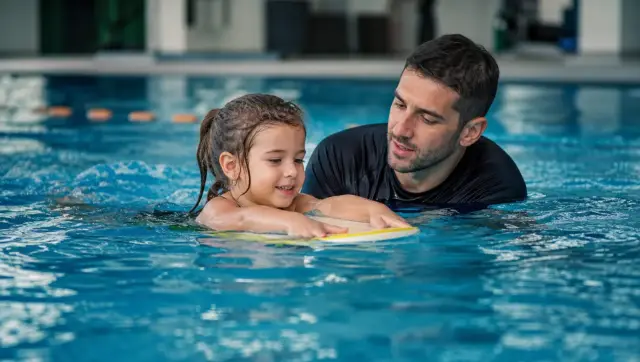
If there is swimming, this is where you should be most demanding. Ask whether a dedicated lifeguard is on duty the whole time children are in the water, how swimming ability is tested, and how children are grouped by level. Non-swimmers should stay in shallow water under close supervision. If your child cannot swim yet, consider swimming lessons before the summer.
Heat and sun
July and August in Kosovo can be very hot. A good camp plans for it:
- Strenuous activities in the morning or late afternoon, not in the hottest hours around midday.
- Regular water breaks, whether or not children ask.
- Shade, hats and sunscreen reapplied through the day.
- Indoor or water-based activities on the hottest days.
Children feel thirst later than adults and forget to drink when they are playing. For a sense of how much water an adult needs on a hot day, try our daily water calculator.
Food, allergies and medication
Ask what food is provided, how allergies are handled and who gives medication if needed. Fill in the medical form carefully and speak to staff directly if your child has asthma, severe allergies, diabetes or another condition. If you are unsure whether your child is ready for intense activity, check with your paediatrician.
Organisation
- A written daily schedule: start time, activities, finish time.
- Pick-up rules: who may collect your child and how that is checked.
- How the camp contacts parents during the day.
- The exact price, what it includes and the cancellation policy, all in writing.
Key questions at a glance
| Topic | What to ask |
|---|---|
| Staff | Experience with children, first aid, background checks |
| Supervision | Children per adult, at every activity |
| Swimming | Lifeguard, swim test, groups by level |
| Heat | Activity timing, water breaks, shade |
| Health | Allergies, medication, injury procedure |
| Payment | What is included, cancellation, refunds |
Red flags
Be cautious if a camp cannot give clear answers about safety, will not let you see the venue, has no medical form, or pushes you to pay straight away without written information. A serious camp welcomes parents' questions.
What to pack
- Light sports clothes plus a spare set.
- Comfortable trainers and pool sandals.
- Hat, sunglasses and sunscreen.
- A water bottle labelled with your child's name.
- Swimsuit, swim cap and towel if there is swimming.
- Any medication, with clear instructions for staff.
Preparing your child
Before a first camp, talk through what will happen and who will be there. Visit together beforehand if you can. For overnight camps, a sleepover at grandparents' or friends' helps. Rather than promising to collect them whenever they like, make sure they know how to talk to staff if something is wrong.
Alternative: build your own active summer
If you cannot find the right camp, or the dates clash with your holiday, you can build your own active week. With the Kids plan of a JetoFit membership, your child gets sport sessions, swimming sessions and activities at partner venues. For example:
- Morning swims at Zenit Aquatics Center in Fshati Besi, JetoFit's swimming partner. Ask about groups by age and level.
- Fitness and play at Fit Kids in Pristina.
- A nature day at Lazdrohu n'Fermë in Kolovicë, a farm with activities for kids.
- Weekend horse riding at The Lumi Ranch near Viti. Ask the ranch about minimum ages before you book.
Check times and availability in the app. For more ideas, see kids' activities in Pristina and our kids' sports page.
Frequently asked questions
What should I check before signing my child up for a summer camp?
Check staff experience with children, first aid, how many children each adult supervises, swimming safety and the heat plan. Get the schedule and cancellation terms in writing.
How do I know if my child is ready for an overnight camp?
If your child has slept away from home without problems and is excited about camp, they are probably ready. For a first camp, a day camp is usually the safer choice.
How much activity should children get over the summer?
WHO recommends an average of at least 60 minutes of moderate-to-vigorous activity a day for children aged 5 to 17, all year round.
What if I cannot find a suitable summer camp?
Build your own week from swimming, kids' fitness and nature days. The JetoFit Kids plan includes sport sessions, swimming and activities at partner venues.