In short
- There is no single best sport for every child: the right choice depends on age, temperament and what the child enjoys.
- Gymnastics builds body control and flexibility, karate builds discipline and coordination, and ballet builds posture and rhythm.
- The American Academy of Pediatrics and the International Olympic Committee advise children to sample several sports before specialising in one.
- WHO recommends an average of at least 60 minutes of moderate-to-vigorous activity a day for children aged 5 to 17.
- A trial session and a conversation with the coach are the best way to decide.
Gymnastics, karate or ballet: which is best for your child? There is no single answer. Gymnastics builds body control and strength, karate builds discipline and coordination, and ballet builds posture, rhythm and grace. The right sport is the one that suits your child's temperament and that they look forward to every week.
This guide walks through what each sport offers, which kind of child it tends to suit, and how to judge a club and coach. It ends with advice many parents overlook: for young children, sampling several sports usually beats specialising early.
Why organised sport is worth it
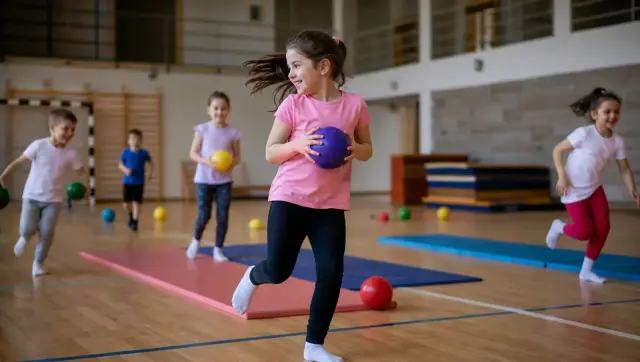
The World Health Organization (WHO) recommends that children aged 5 to 17 get an average of at least 60 minutes of moderate-to-vigorous activity a day, with muscle- and bone-strengthening activity at least 3 days a week. Two or three organised sessions a week cover a good share of that. Free play fills in the rest.
Sport also teaches rules, teamwork and how to handle losing, skills that carry straight into the classroom.
Gymnastics for kids
Gymnastics is one of the best foundations for any other sport. Children learn rolls, jumps, balance and how to support their own body weight on their arms.
What it builds: relative strength, flexibility, balance, coordination and courage.
Who it suits: energetic children who climb everything and love a physical challenge.
What to watch: competitive gymnastics involves long training hours and puts real load on wrists and backs. For young children, recreational gymnastics is plenty. Ask whether the hall has thick mats and whether coaches spot children on new skills.
Karate and other martial arts
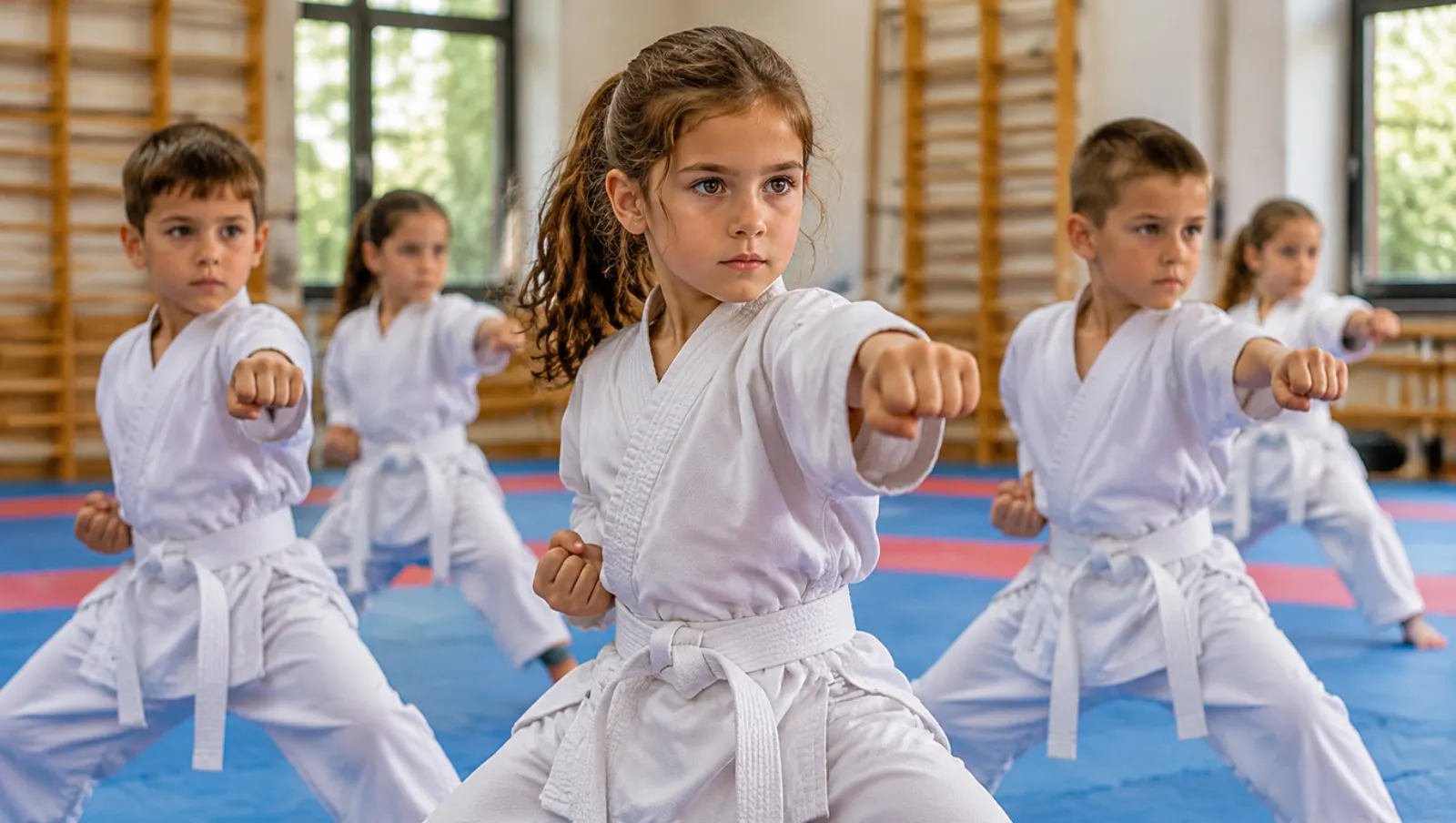
Karate, taekwondo and other martial arts are popular with parents for good reason: they teach respect, focus and self-control. The belt system gives children clear goals and a visible sense of progress.
What it builds: coordination, speed, discipline, confidence and the basics of self-defence.
Who it suits: children who thrive on structure, shy children who need a confidence boost, and high-energy kids who need somewhere to channel it.
What to watch: ask about contact rules in sparring for your child's age and what protective gear is used. A good club ties martial arts to respect, not aggression. With JetoFit, Cell Active Boxing in Pristina offers karate and kids' sessions, and Karate Club Emperors teaches karate in Gjilan; check age groups in the app. Our guide to martial arts in Pristina covers the options for older children and adults.
Ballet and dance
Ballet is a strict discipline and an art form. Children learn posture, rhythm, musicality and precise movement control. For kids who want something looser, other styles of dance offer similar benefits with less formality.
What it builds: upright posture, flexibility, leg and core strength, memory and a feel for music.
Who it suits: children who love music and movement and have patience for repetition.
What to watch: pointe work should only begin once a teacher judges the child ready, usually several years into training. A good school talks about health, never about children's weight.
Side-by-side comparison
| Sport | Builds most | Suits a child who |
|---|---|---|
| Gymnastics | Strength, flexibility, balance | Climbs everything, loves physical challenges |
| Karate / taekwondo | Discipline, coordination, confidence | Needs structure or a confidence boost |
| Ballet / dance | Posture, rhythm, control | Loves music and has patience |
| Swimming | Fitness, water safety | Every child, as a life skill |
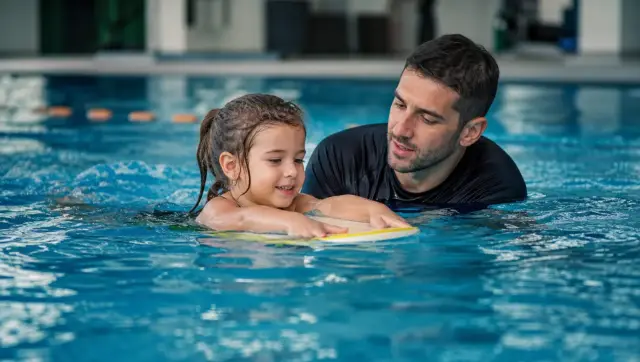
Swimming is not in the title, but it deserves a place alongside whatever main sport you choose. See our guide to swimming lessons for kids.
Sample before you specialise
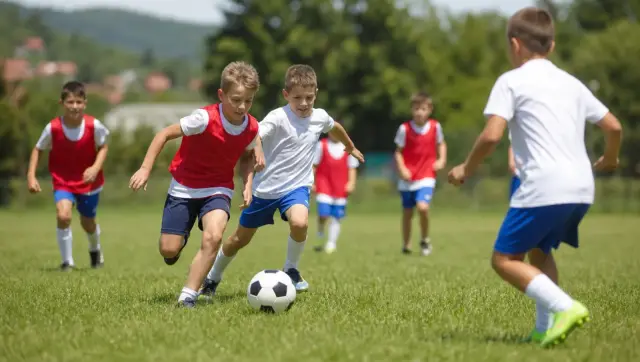
The American Academy of Pediatrics (AAP) and the International Olympic Committee (IOC) have both advised that children try a range of sports before adolescence rather than specialising early in one. Variety develops more rounded movement skills and lowers the risk of overuse injuries and burnout.
In practice: a season of gymnastics, a season of martial arts, swimming all year round. Your child will soon tell you what they love most.
Choosing a club and coach
- Book a trial session. Watch how the coach treats the children and how your child feels afterwards.
- Experience with kids. A great athlete is not automatically a great coach for six-year-olds.
- First aid. Ask whether staff are trained and what happens when someone gets hurt.
- Group size. Smaller groups mean more attention and more safety.
- Parent communication. A good club tells you what your child is learning and where they need help.
- Logistics. Timetable and travel time matter. A sport that needs an hour in traffic each way rarely lasts.
When your child wants to quit
Plenty of children want to stop a few weeks in, once the novelty wears off. Ask why before deciding. Sometimes the problem is the coach, the group or the timetable rather than the sport itself. A rule that works for many families: finish the season or the month you have paid for, then decide together. Your child learns not to give up on the first hard day, without being forced to stick with something they genuinely dislike.
When to ease off
Pain that does not settle with rest, losing interest, poor sleep or constant tiredness are signals to slow down. Growing bodies are more sensitive to overload. If your child has a health condition or an injury, talk to a paediatrician or physiotherapist before starting a new sport.
How JetoFit helps
With the Kids plan of a JetoFit membership, your child can try different activities at partner venues without enrolling separately at each club. Fit Kids in Pristina is a fitness centre for children, and our kids' sports page rounds up the options. For more ideas, see kids' activities in Pristina.
Frequently asked questions
Which is better for kids: gymnastics, karate or ballet?
None is best for every child. Gymnastics builds strength and balance, karate builds discipline and coordination, and ballet builds posture and rhythm. Let your child's interests lead.
Should my child focus on just one sport?
Not necessarily. The AAP and IOC advise children to try several sports before adolescence for better all-round movement and a lower risk of overuse injuries.
Does karate make children aggressive?
A good club links martial arts to respect and self-control. Watch a trial session and ask the coach about contact rules.
How do I know if a coach is right for my child?
Look for experience with that age group, praise for effort, first-aid training and regular communication with parents.