Martial arts
Jiu-jitsu in Kosovo: what it is and how to start
Brazilian jiu-jitsu for beginners: how ground fighting works, what a first class looks like, how often to train and which martial arts JetoFit offers.
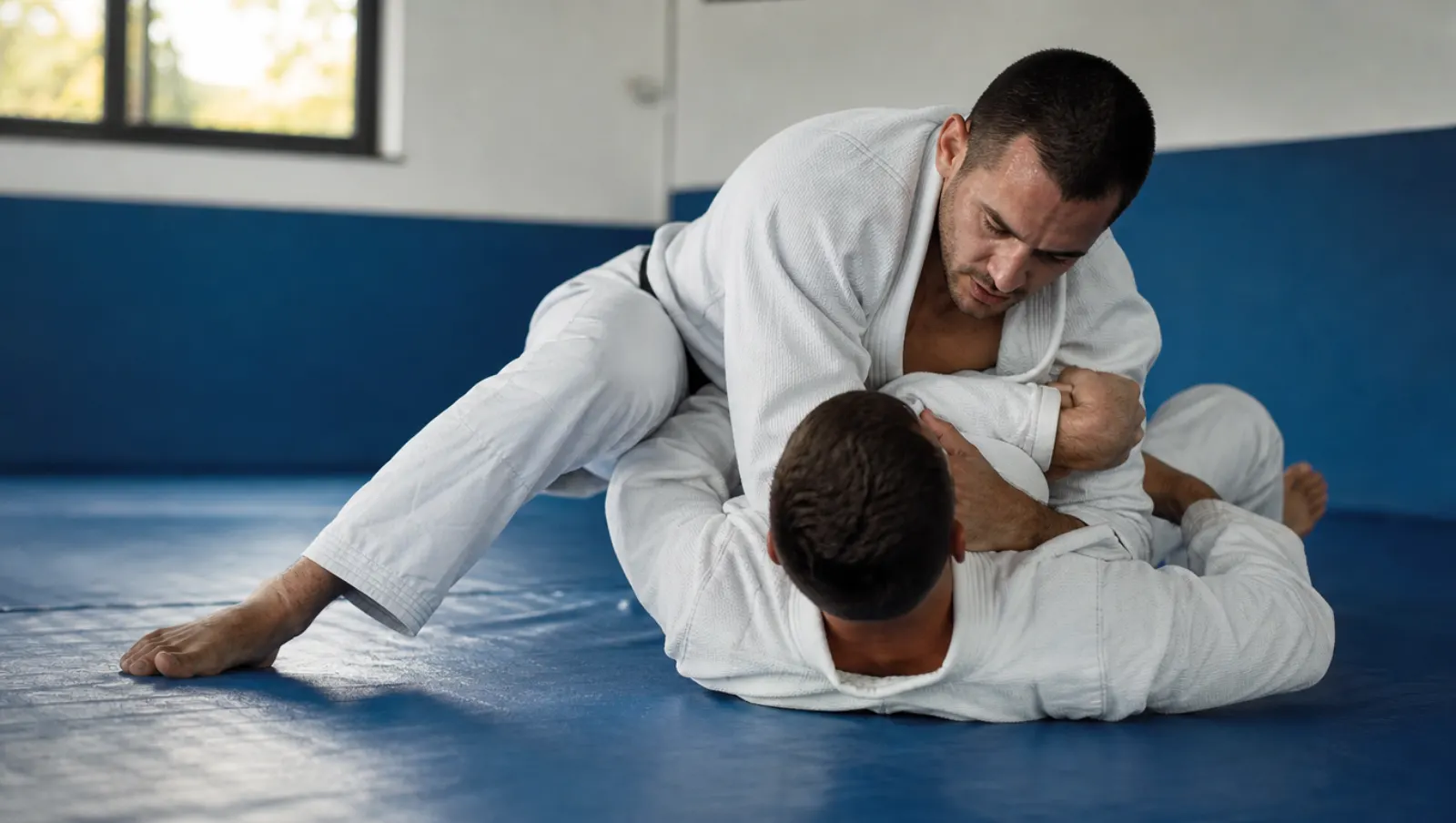
Jiu-jitsu, especially Brazilian jiu-jitsu (BJJ), is a martial art built around ground fighting: controlling position, escaping bad positions and making an opponent submit with joint locks or chokes, without any striking. It is often called "physical chess" because technique and leverage matter more than strength, so it suits people of every size and age.
Training happens on the mat, either in a uniform (gi) or without one (no-gi). Most of a session is partner work, and sparring, called rolling, is controlled: when a lock becomes uncomfortable, your partner taps and you stop.
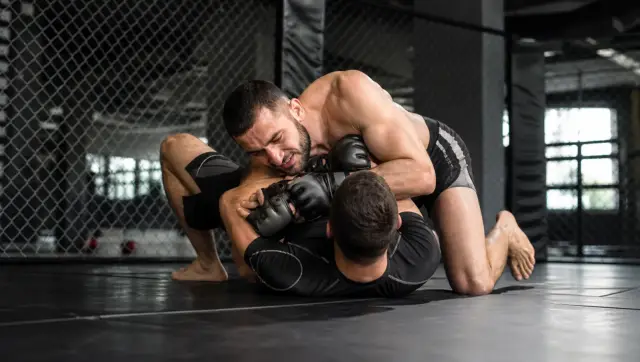
JetoFit does not currently have a partner offering jiu-jitsu. The closest option is MMA, which combines groundwork with striking: at Fight Factory in Pristina, for men only, and at Fenix Multi Centre in Gjilan, for men and women. If striking appeals to you more, kickboxing is a good choice. Ask the club how much grappling its programme includes.
For an overview of every combat sport in the city, read martial arts in Pristina. Keep an eye on the app and your JetoFit membership for new partners.
What to expect
What a typical class looks like
- Warm-up (10–15 minutes). Mat-specific movements such as shrimping, forward and backward rolls and technical stand-ups.
- Technique (20–30 minutes). The coach shows a position or move, for example escaping from under an opponent or passing the guard, and you drill it slowly with a partner.
- Positional drills. The same technique against gradually more resistance.
- Rolling. Rounds of 5–6 minutes with different partners. Beginners often start with rolling from specific positions.
Levels
BJJ uses a belt system: white, blue, purple, brown and black. Moving up a belt usually takes years, not months. In the first weeks you learn how to fall safely, the basic positions and how to tap in time.
How often to train
Two to three sessions a week is a good rhythm for beginners. The WHO recommends strength work on at least 2 days a week and 75–150 minutes of vigorous activity; jiu-jitsu contributes to both. Work out your daily protein needs to support recovery. If you have neck, back or joint problems, or you are pregnant, talk to your doctor before you start.
Where to train: Jiu-Jitsu
We don't have a partner for this sport yet. See related sports below, or tell us if you'd like to see it on JetoFit.
Benefits
- Ground fighting works the whole body and builds functional strength and endurance.
- Technique and leverage let smaller people defend themselves against larger opponents.
- Solving problems in real time keeps the mind focused and helps relieve stress.
- Regular training improves hip flexibility and mobility.
- The absence of strikes makes training safer than many other combat sports.
What to bring
- A jiu-jitsu gi, or a rash guard and shorts for no-gi, depending on the club
- Sandals for walking off the mat
- A mouthguard
- A water bottle and towel
- Short-trimmed nails, for your partners' safety
Frequently asked questions
What is Brazilian jiu-jitsu?
It is a martial art focused on ground fighting, where the aim is to control an opponent and make them submit with locks or chokes, without striking.
Does JetoFit offer jiu-jitsu?
Not at the moment. As an alternative, try MMA, which mixes striking and grappling: at Fight Factory in Pristina (men only) or Fenix Multi Centre in Gjilan. Ask the club how much grappling its classes include.
Can I start jiu-jitsu if I am out of shape?
Yes. Fitness builds as you train, and beginners work at a controlled pace. Tell the coach about any injuries.
How much does martial arts training cost with JetoFit?
MMA and kickboxing are included from the Basic plan, which gives 10 sport sessions a month. Check the membership page or the app for current prices.
How often should I train jiu-jitsu?
Two to three times a week is a good rhythm for beginners. Consistency matters more than intensity.
One membership. Every sport.
Gyms, pools, pilates, boxing and more at partners across Kosovo. From €49.99 a month.